GROUP EXHIBITION
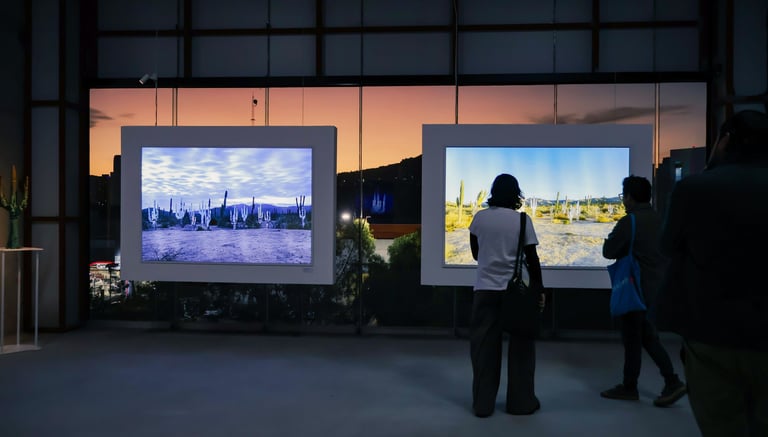
@ ArtBaja, San José del Cabo, Baja California Sur. (Collab: Galería Ginocchio).
MAR 16.2026 - APR 16.2026
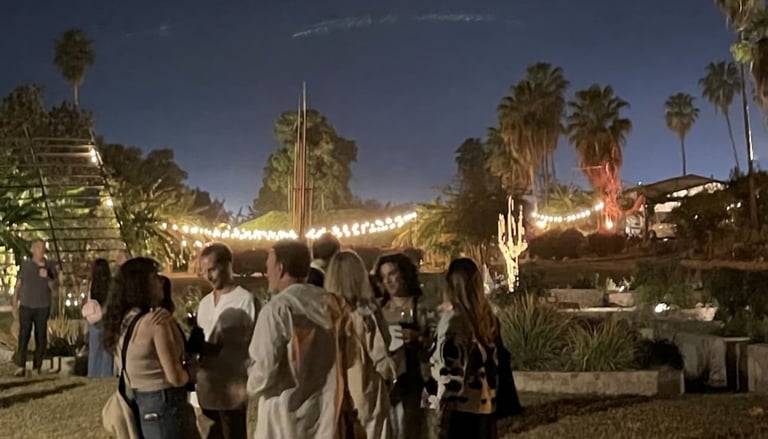
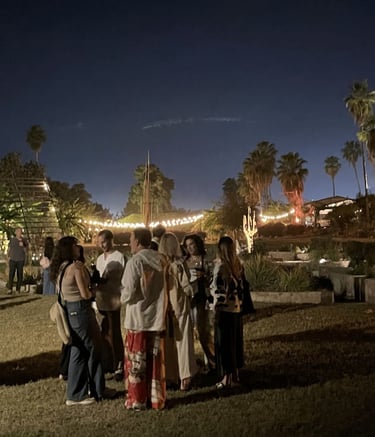
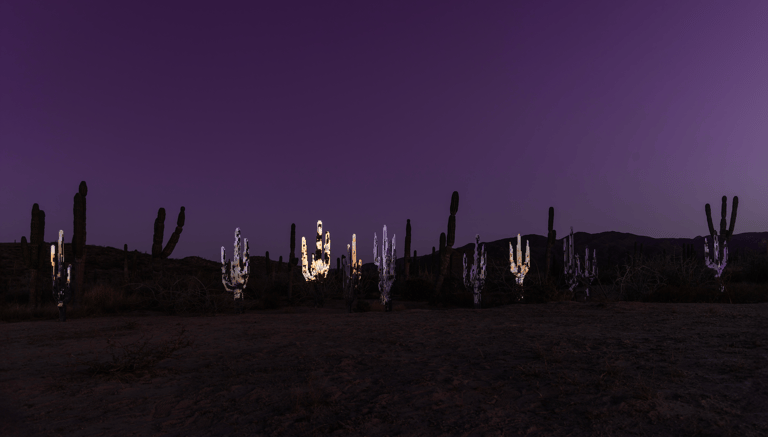
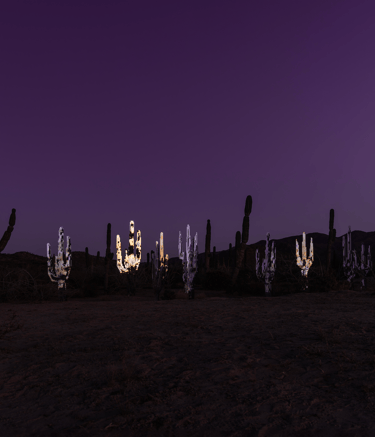
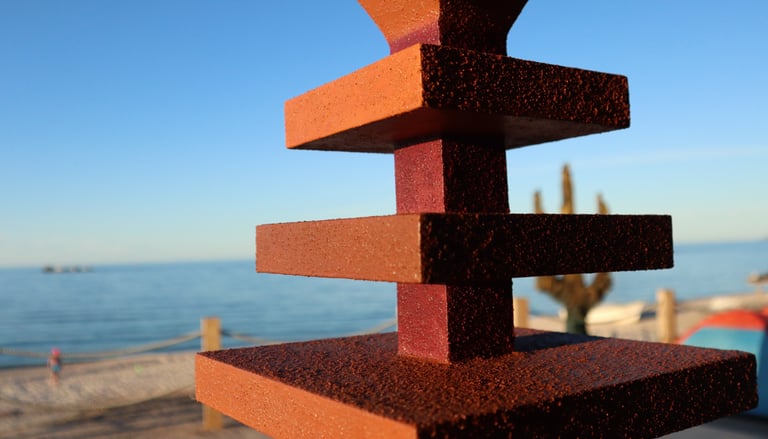
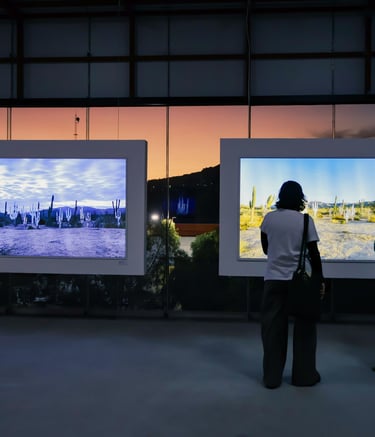
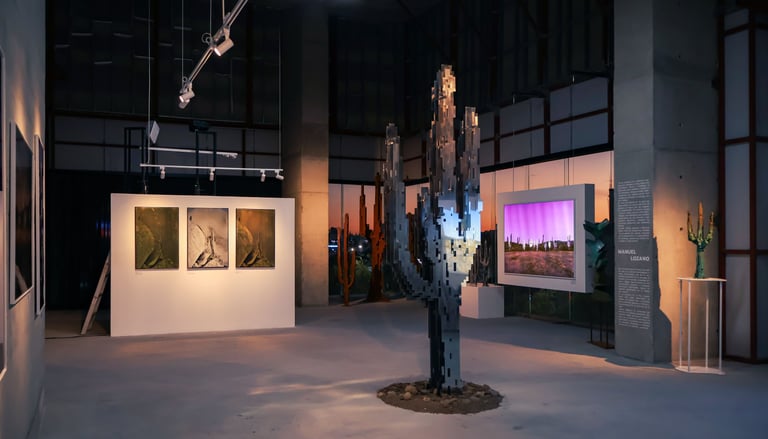
The exhibition consists of six oxidized steel pieces produced between 2025 and 2026, belonging to the Digital Metamorphosis series. This collection is presented for the first time in an installation format in San José del Cabo, proposing an immersive experience that directly engages with its surroundings.
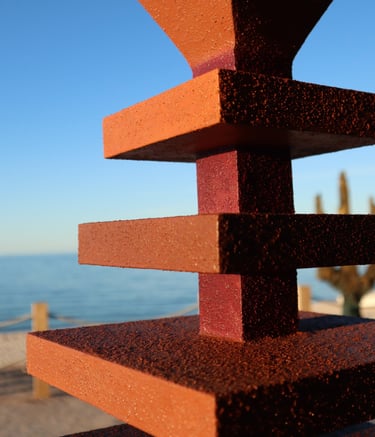
There, Lozano uses steel and the technical application of patinas to create an illusion in which time appears to stand still. The work synthesizes the dialogue between industrial processes and natural cycles on the visible surface of the material.
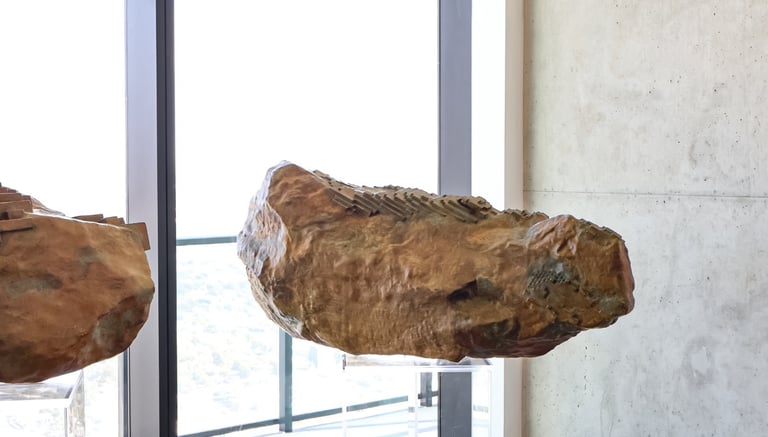
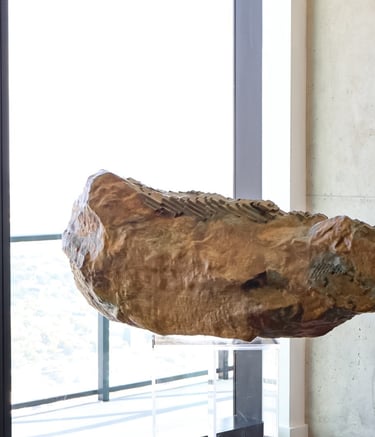
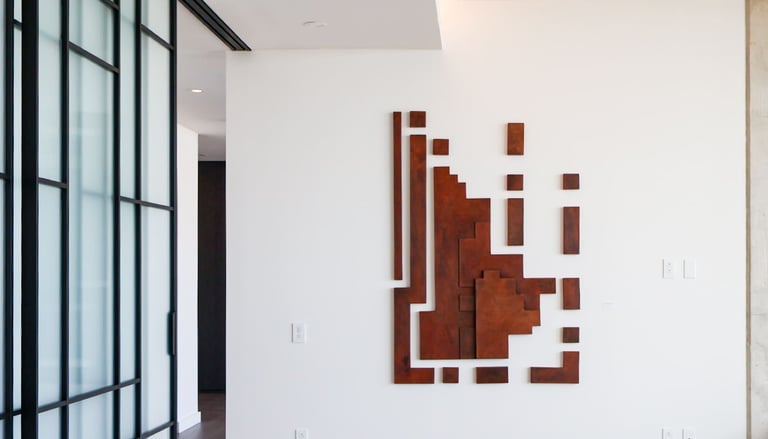
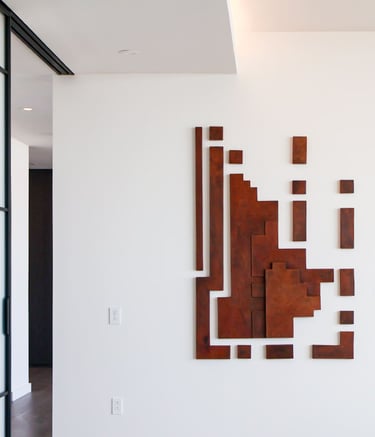
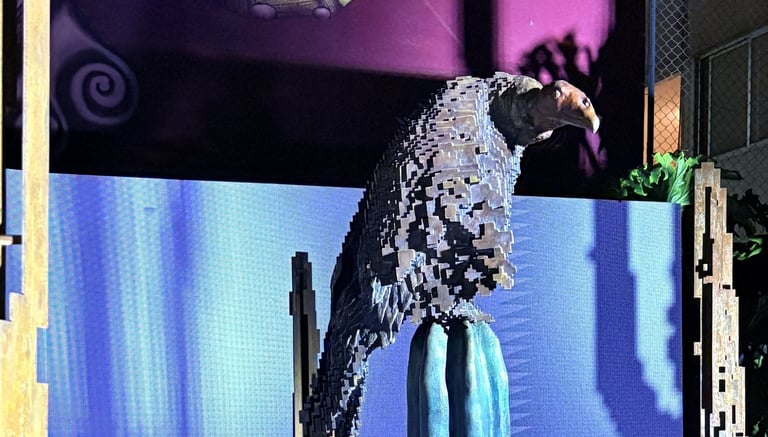
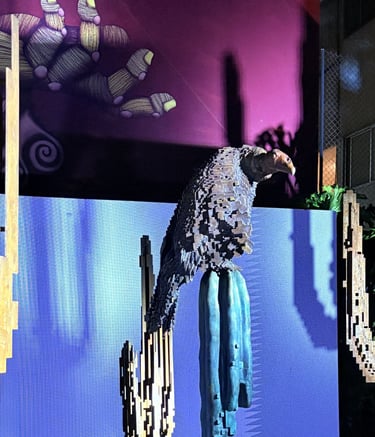
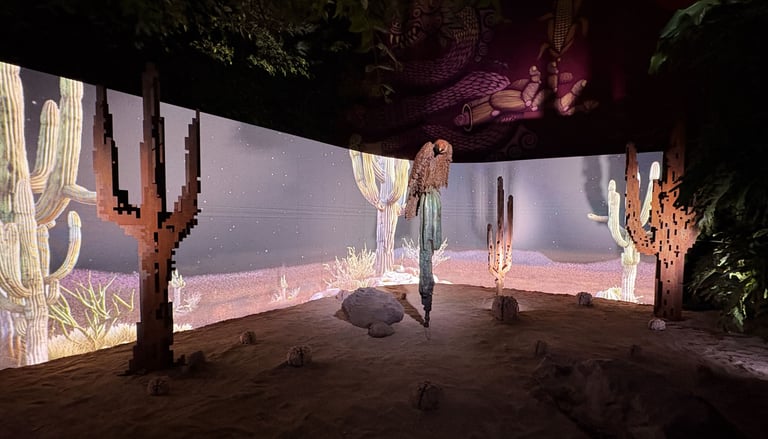
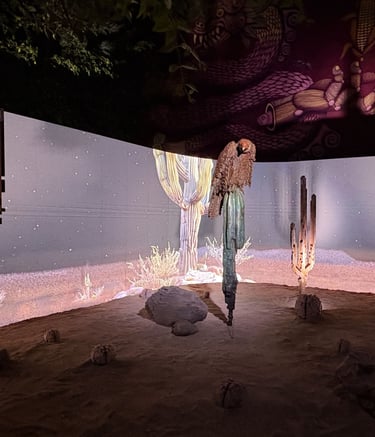
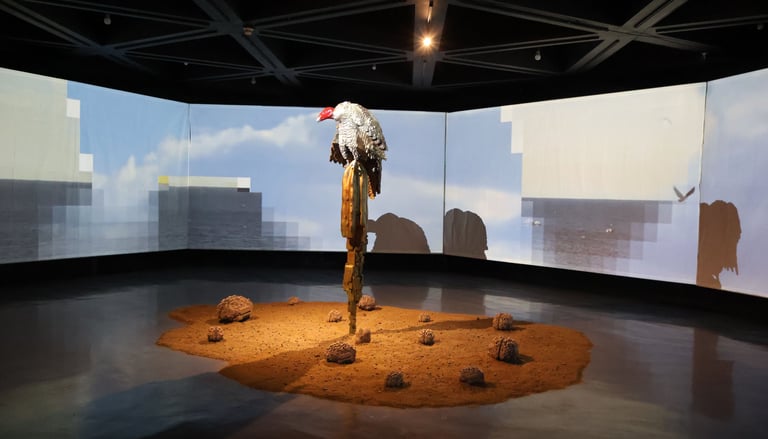
Installed at the top of the tower (The Modern, Austin), his new series of works reimagines spiritual ascent as a visual and psychological experience. At the center is a mural that evokes a portal: nine concentric geometric figures expanding outward, a geometric echo of movement and time.
The number nine carries symbolic weight: it appears both in biblical numerology and in the Aztec vision of the afterlife, where nine levels guide the soul toward transformation. Lozano intertwines these cosmologies into a single stratified image—at once devotional and digital—suggesting that transcendence may still be possible in an era defined by pixels and concrete.
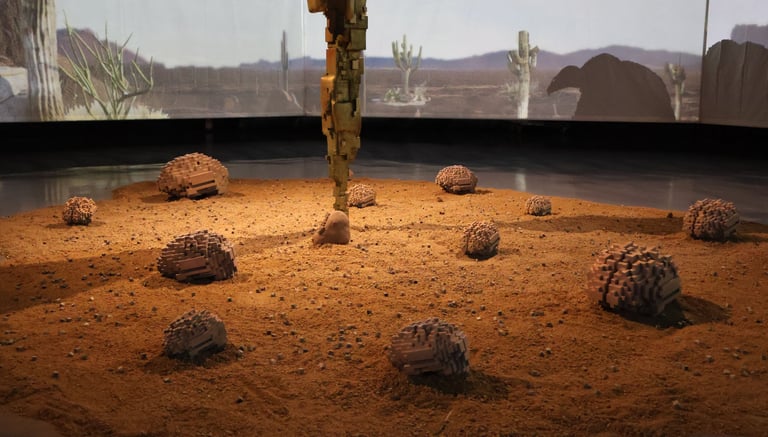
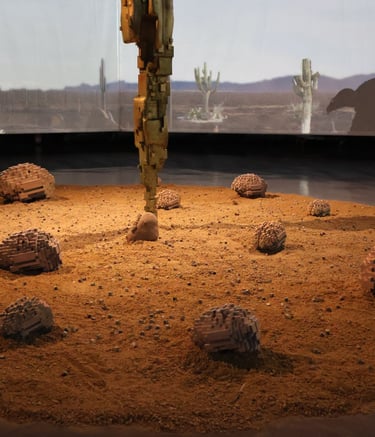
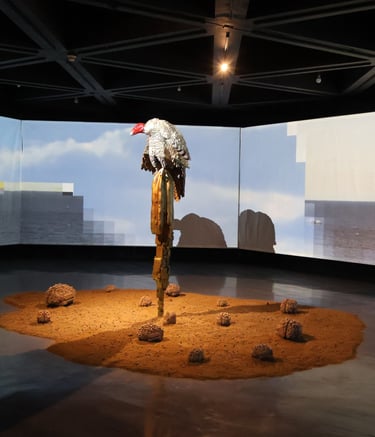
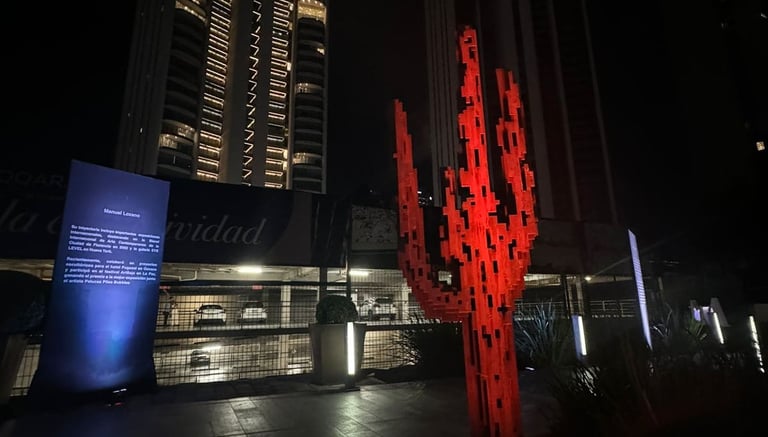
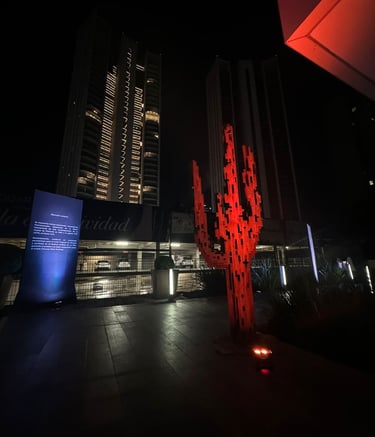
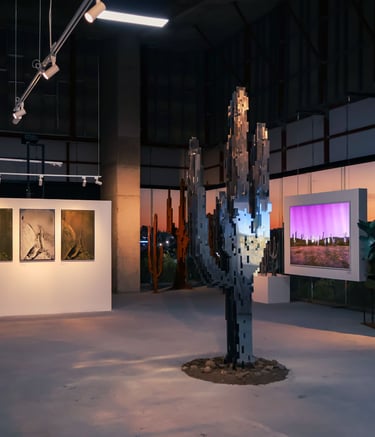
Surrounding this central form, Lozano populates the space with pixelated cacti, rocks, and a solitary deer. These elements—part landscape, part apparition—lend the installation a hypnotic rhythm. The cacti, with their obstinate resilience, anchor the work in the earthly realm. The rocks evoke the permanence of time, and the deer a fragile grace moving between worlds. In this triad, Lozano constructs a silent theology of connection: between what endures and what fades, between the sacred and the synthetic.
INDIVIDUAL EXHIBITION
Reciprocity
@ The Modern Residencies. Austin Tx. (Collab: Contemplo).
OCT 16.2025 - FEB 16.2026
GROUP EXHIBITION
@ ArtWeek, Polanco, CDMX. (Collab: Pugseal Hotel).
FEB 2.2025 - FEB 19.2025
Throughout the exhibition, the relationship between immersion in the digital world and the escape from reality is examined. The exploration focuses on how technology can be both a refuge and a trap, offering temporary escapes while also raising questions about the authenticity of these virtual experiences.
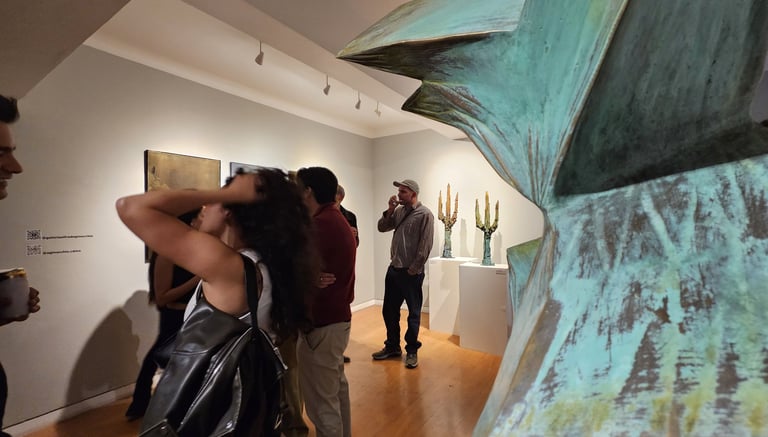
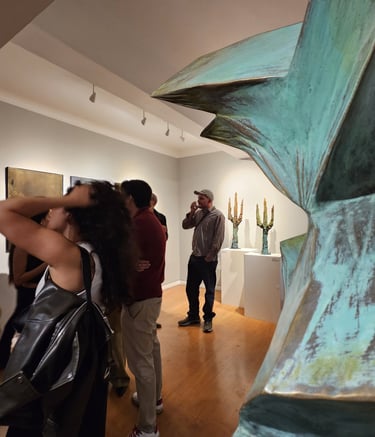
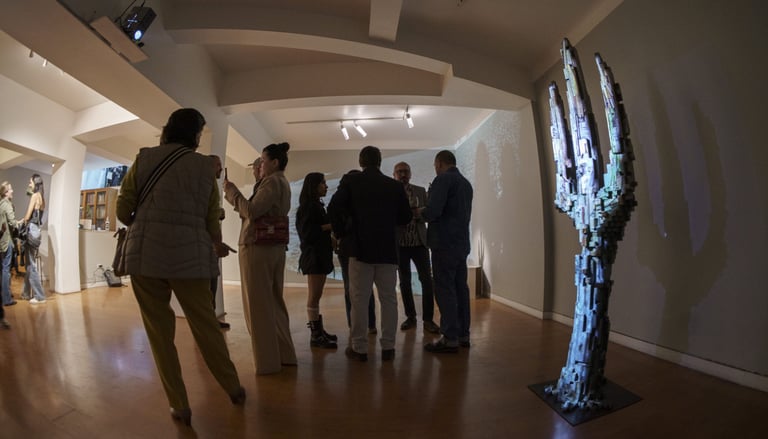
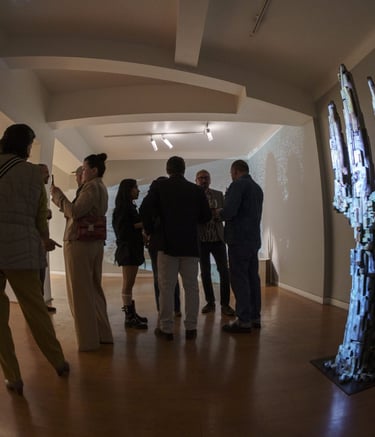
“Tangible Illusions” is presented as the continuation of Manuel’s exhibition “Ánicá: Present Speculations” at the Art Baja by Zona Maco event, receiving recognition as the winning exhibition in La Paz, Baja California Sur. Each of these works leads to a profound reflection on key themes of our time and invites us to question the relationship between nature, humanity, and technology.
INDIVIDUAL EXHIBITION
@ Art Week, Polanco, CDMX. (Collab: Galería Ginocchio).
FEB 6.2024 - MAY 6.2026
INDIVIDUAL EXHIBITION
Vita - Bit: Digital Transmutation.
@ CAVIC - Galería Jesus Gallardo. León, Guanajuato..
MAR 8.2024 - APR 28.2026
Throughout the exhibition, the relationship between immersion in the digital world and escape from reality is examined. The exploration focuses on how technology can be both a refuge and a trap, offering temporary escapes while also raising questions about the authenticity of these virtual experiences.
GROUP EXHIBITION
@Art&Living. San Pedro Garza García, Nuevo León, Monterrey. (Collab: Galeria McCoy)
SEP 12.2024 - DEC 12.2024
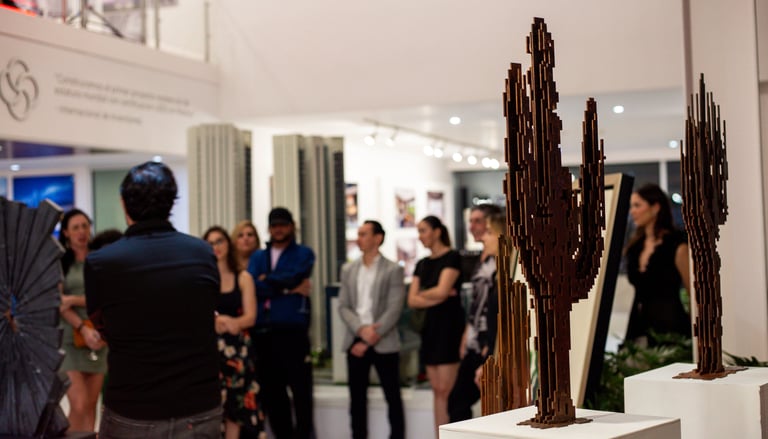
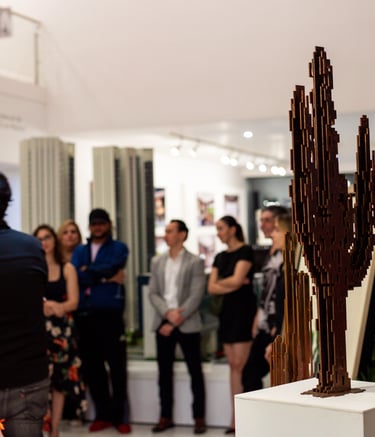
The exhibition by Mexican sculptor Manuel Lozano at McCoy Gallery is part of an ongoing investigation into the relationship between landscape, materiality, and the symbolic construction of territory. Presented within the context of Monterrey’s contemporary art scene, the show brings together a series of works that move between sculpture and installation, emphasizing the expanded dimension of the sculptural object.
Following lines of work previously developed by the artist, the pieces revisit organic forms—particularly those associated with desert environments—through processes of geometric abstraction and the use of industrial materials such as bronze, making visible the tensions that culturally shape the idea of landscape. At the same time, the exhibition shifts sculpture toward a field of operations where technology, perception, and spatial experience converge.
In dialogue with the exhibition space, the works configure a trajectory that oscillates between object and environment, inviting the viewer to reconsider their relationship with contemporary ecological and cultural systems. The exhibition is thus situated within an interdisciplinary practice that, as observed in the artist’s previous projects, explores the intersection between nature and culture through formal devices that evoke both sculptural tradition and contemporary visual languages.
GROUP EXHIBITION
Ilusiones Tangibles
@Foro 4, León, Guanajuato. (Collab de Proyecto Marea)
NOV 16.2023 - JAN 16.2024
In the present day, we are immersed in the virtual world. Technology is used in an excessive way as a means of escape and evasion from the emotions and discomforts that arise in everyday life. Being present in each moment has become an increasingly difficult challenge in contemporary times.
GROUP EXHIBITION
Ánica, Especulaciones Presentes.
@Art Baja. La Paz, Baja California Sur. (Premio a Mejor exposición)
MAR 13.2023 - MAY 13.2023.
Throughout the exhibition, the relationship between immersion in the digital world and escape from reality is examined. The exploration focuses on how technology can be both a refuge and a trap, offering temporary escapes while also raising questions about the authenticity of these virtual experiences.